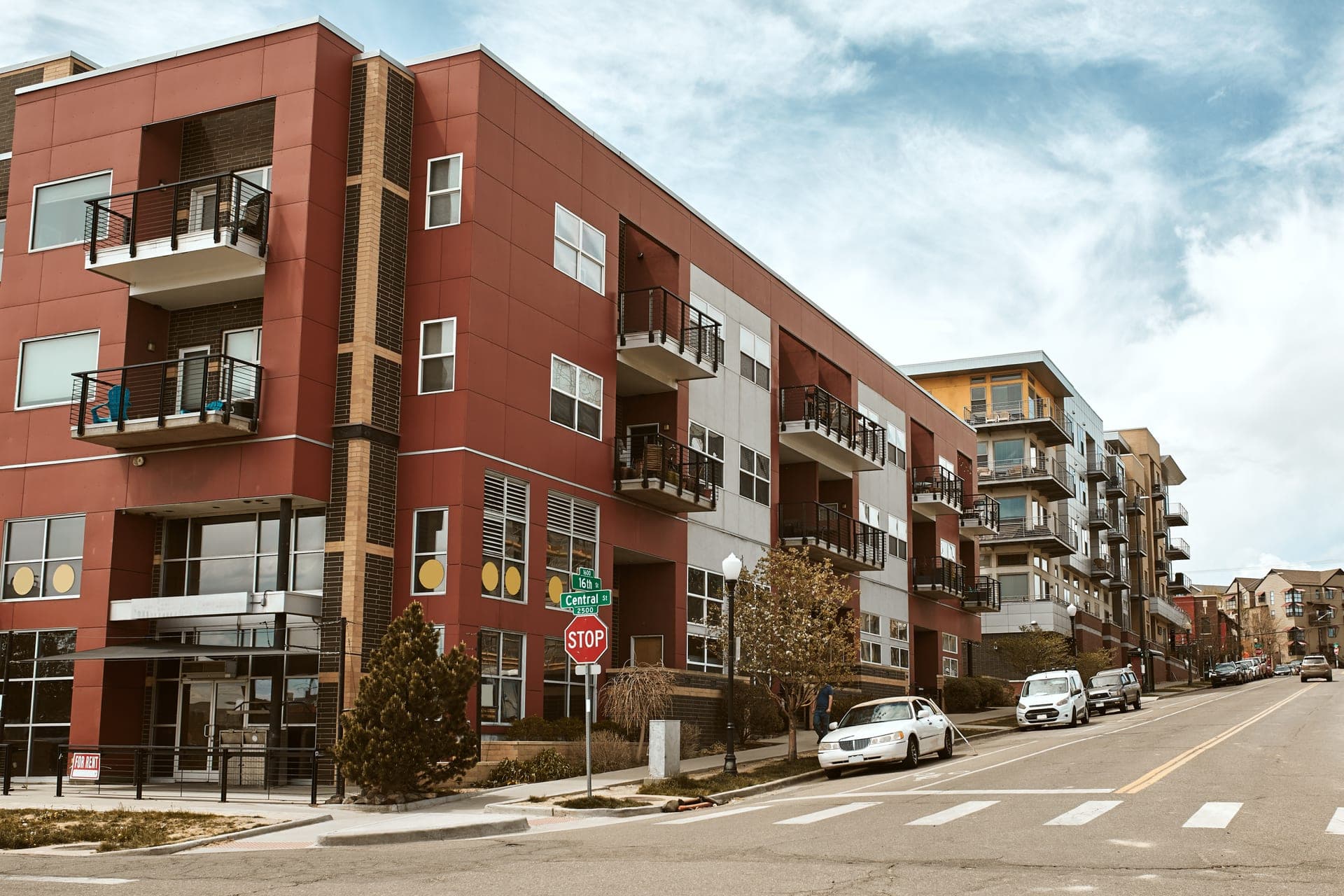
Denver's apartment scene is booming, and with it comes a unique set of moving challenges. Between elevator reservations, COI requirements, narrow hallways, and strict building rules, an apartment move in the Mile High City takes a bit more planning than your typical house-to-house relocation. At Exquisite Logistics Moving, we have helped 7,000+ Denver renters navigate these exact situations since 2010. This step-by-step guide covers everything you need to know for a smooth apartment move in Denver.
Table of Contents
- Denver Apartment Moving Challenges
- Step-by-Step Moving Timeline
- Elevator Reservation Tips
- Building Management Coordination
- Parking Permits for Moving Trucks
- Narrow Hallway Strategies
- Furniture Protection in Tight Spaces
- Lease Move-Out Inspection Tips
- Security Deposit Protection
- Denver Apartment Neighborhoods
- Cost Estimates for Apartment Moves
- Frequently Asked Questions
Denver Apartment Moving Challenges
Apartment moves come with obstacles you simply will not encounter when moving between houses. In Denver specifically, these challenges are amplified by the city's mix of historic walk-up buildings, modern high-rises, and converted warehouse lofts.
High-rise logistics: Buildings with 10, 20, or even 30 floors require elevator access, loading dock reservations, and strict time windows. Missing your slot can mean waiting hours or rescheduling entirely.
Walk-up buildings: Many of Denver's most popular neighborhoods, like Capitol Hill and Uptown, are full of charming older buildings without elevators. Carrying a couch up three flights of narrow stairs takes skill, teamwork, and the right equipment.
COI requirements: Most managed apartment buildings require movers to provide a Certificate of Insurance (COI) before they will allow access to the service elevator or loading dock. This is non-negotiable, and failing to have one ready can shut down your entire move.
Parking restrictions: Downtown Denver streets are not built for 26-foot moving trucks. Finding legal parking close to your building entrance often requires advance permits or creative planning.
Step-by-Step Moving Timeline
Follow this timeline to keep your apartment move organized and stress free.
4 to 6 Weeks Before
Notify your current landlord of your move-out date. Contact your new building about move-in procedures. Research and book your moving company. Start decluttering and donating items you no longer need.
3 to 4 Weeks Before
Reserve the service elevator at both your current and new buildings. Request a COI from your moving company and submit it to building management. Apply for a parking permit if needed. Begin packing non-essential items.
1 to 2 Weeks Before
Confirm all building reservations. Pack the majority of your belongings. Schedule utility transfers. Do a walkthrough of your current unit and document its condition with photos.
Moving Day
Do a final sweep of every room, closet, and cabinet. Meet the movers at your building and guide them to the loading area. Keep your essentials bag with you. Hand over keys and complete your move-out inspection.
Elevator Reservation Tips
If your building has a service elevator, reserving it is absolutely critical. Here is how to handle it like a pro.
Call your building manager at least two to three weeks before your move to reserve the service elevator. These time slots fill up quickly, especially on weekends and at the end of the month when most Denver leases turn over. Try to reserve a morning slot (7:00 AM or 8:00 AM start) to give yourself the most flexibility.
Ask about the building's rules for elevator padding. Many high-rises require protective pads on the elevator walls during moves, and some buildings provide them while others expect the movers to bring their own. Our crews at Exquisite Logistics Moving always arrive with elevator padding and floor runners as a standard part of our apartment moving service.
Be aware of time limits. Some buildings restrict elevator access to a four-hour or six-hour window. If you go over, you may face additional fees or lose access. Professional apartment movers work efficiently within these windows because they handle them every day.
Building Management Coordination
Good communication with your building management team can make or break your apartment move. Here is what to ask about well before moving day.
COI requirements: A Certificate of Insurance (COI) proves that your moving company carries liability insurance that protects the building in case of damage during the move. Most Denver apartment buildings require this document, and some need it submitted five to ten business days in advance. When you book with Exquisite Logistics Moving, we handle the COI paperwork for you and send it directly to your building manager.
Loading dock access: Many high-rise buildings have designated loading docks with specific entry points for movers. Find out where the loading dock is, how to access it, and whether you need a key fob or security escort. Share this information with your moving company ahead of time.
Move-in and move-out fees: Some buildings charge a one-time move-in or move-out fee, typically ranging from $100 to $500. Others require a refundable deposit that covers potential damage to common areas. Ask about these fees early so there are no surprises.
Parking Permits for Moving Trucks
In many Denver neighborhoods, street parking is limited and metered, which makes it difficult to park a large moving truck close to your building entrance. Here are your options.
The City of Denver offers temporary no-parking permits that allow you to reserve a section of street space for your moving truck. You will need to apply through Denver's Department of Transportation and Infrastructure (DOTI) and post the no-parking signs at least 72 hours before your move. The permit typically costs around $25 to $150 depending on the duration and location.
If your building has a private loading zone or underground parking with truck access, coordinate with management to use it. In neighborhoods like LoDo and RiNo, where street parking is especially competitive, a reserved loading dock is worth its weight in gold.
Narrow Hallway Strategies
Denver's older apartment buildings are known for their character, but that character often includes narrow hallways, tight stairwells, and doorways that seem to shrink when you are carrying a king-size mattress.
Measure everything first. Before moving day, measure your doorways, hallways, and any tight turns along the path from the truck to your apartment. Compare these measurements to your largest furniture pieces. If a sofa is too long for a tight corner, your movers may need to tilt it, remove legs, or bring it in through a different entrance.
Disassemble what you can. Remove table legs, take bed frames apart, and separate sectional sofa pieces. This reduces the width of each piece and makes navigating tight spaces much easier.
Use the right tools. Professional movers use furniture dollies, straps, and sliders to maneuver heavy pieces through tight spaces without scratching walls or damaging floors. This is one of the biggest advantages of hiring experienced apartment movers over trying to do it yourself.
Furniture Protection in Tight Spaces
When you are moving through narrow corridors and around sharp corners, the risk of scratching furniture, dinging walls, and scuffing floors goes up significantly. Here is how to protect everything.
Wrap all furniture in moving blankets before entering the building. Pay special attention to corners and edges, which are the most likely to get dinged. Use shrink wrap over the blankets to keep them in place as movers navigate tight turns.
Protect the building itself by laying floor runners along the path from the elevator to your unit. Use corner guards on wall corners in hallways. These small precautions prevent damage to common areas that could come out of your security deposit or result in building fines.
Lease Move-Out Inspection Tips
A smooth move-out inspection is the key to getting your full security deposit back. Here is how to prepare.
Clean the apartment thoroughly after your belongings are out. This means wiping down every surface, cleaning inside cabinets, scrubbing the oven and stovetop, mopping floors, and cleaning bathrooms top to bottom. Many landlords will deduct cleaning fees from your deposit if the unit is not left in move-in condition.
Fill small nail holes in the walls with spackle and touch up paint if you have it. Replace any burned-out light bulbs. Make sure all appliances are clean and functioning. These small details can save you hundreds of dollars in deductions.
If possible, schedule a walk-through with your landlord before your official move-out date. This gives you a chance to address any concerns while you still have time to fix them.
Security Deposit Protection
Colorado law gives landlords 60 days (or 30 days if stated in your lease) to return your security deposit after you move out. To protect yourself, take these steps.
Document the condition of your apartment with dated photos and video on the day you move in and again on the day you move out. Photograph every room, closet, and any pre-existing damage. This creates a clear before-and-after record that protects you in case of disputes.
Keep copies of all communication with your landlord regarding the deposit, including emails, texts, and your lease agreement. If you requested a pre-move-out walk-through, keep notes on what was discussed. Colorado tenants have strong rights when it comes to security deposit returns, so documentation is your best friend.
Denver Apartment Neighborhoods
Each Denver neighborhood has its own moving personality. Here is what to expect in the most popular apartment areas.
Capitol Hill
Capitol Hill is one of Denver's most popular rental neighborhoods, packed with older brick buildings, three-story walk-ups, and tree-lined streets. Parking is tight, and many buildings lack elevators. Expect narrow stairways and doorways in vintage units. Our crews know the Cap Hill buildings well and come prepared with the right equipment for walk-up moves.
LoDo (Lower Downtown)
LoDo is home to luxury lofts, converted warehouses, and modern high-rises. Moving here typically involves loading dock reservations, service elevator access, and COI submissions. Street parking for trucks is extremely limited, so using the building's loading dock is almost always necessary. Average rents in LoDo run around $2,400 per month, reflecting the premium location.
RiNo (River North Art District)
RiNo has evolved from a warehouse district into one of Denver's trendiest neighborhoods. You will find a mix of converted industrial spaces and brand-new apartment complexes here. The converted lofts can have unusual layouts, oversized doors, and freight elevator access, while newer buildings follow the standard high-rise move procedures.
Uptown (North Capitol Hill)
Uptown sits between Capitol Hill, downtown, City Park, and Five Points. It has a healthy mix of older buildings and newer mid-rise apartments. Parking can be a challenge, and many buildings here require COI and elevator reservations. The central location means you are close to everything, but it also means heavy traffic during peak hours, so aim for an early morning move.
Cost Estimates for Apartment Moves
Apartment moves in Denver are typically priced by the hour, plus any applicable fees for stairs, long carries, or difficult access. Here is a general idea of what to budget.
Denver Apartment Moving Costs
- •Studio apartment: $300 to $600 (2 movers, 2 to 3 hours)
- •1-bedroom apartment: $400 to $800 (2 movers, 3 to 4 hours)
- •2-bedroom apartment: $600 to $1,200 (3 movers, 4 to 6 hours)
- •3-bedroom apartment: $900 to $1,600 (3 to 4 movers, 5 to 7 hours)
Factors that can affect the final price include the number of flights of stairs, distance from parking to the unit entrance, the amount of furniture that needs disassembly and reassembly, and whether packing services are included. Get an accurate estimate for your specific move by requesting a free quote, or visit our pricing page for a full breakdown of our rates.
Frequently Asked Questions
What is a COI and do I need one for my apartment move?
A COI, or Certificate of Insurance, is a document that proves your moving company carries liability insurance. Most managed apartment buildings in Denver require one before allowing movers to use the service elevator or loading dock. When you book with Exquisite Logistics Moving, we provide the COI and send it directly to your building management at no extra charge.
How far in advance should I reserve the elevator for my move?
We recommend reserving the service elevator at least two to three weeks before your move. End-of-month dates and weekends fill up fastest. Morning time slots give you the most flexibility. Check with your building manager as soon as you have a confirmed moving date.
Do I need a parking permit for a moving truck in Denver?
It depends on your neighborhood and building. If your building has a private loading dock, you may not need a street permit. However, in areas with limited street parking like Capitol Hill, LoDo, and RiNo, a temporary no-parking permit from Denver DOTI is highly recommended. The cost is usually between $25 and $150, and signs must be posted at least 72 hours in advance.
How long does a typical apartment move take in Denver?
A studio or one-bedroom apartment typically takes 2 to 4 hours. A two-bedroom apartment usually takes 4 to 6 hours, and a three-bedroom apartment can take 5 to 7 hours. These estimates assume a local move within the Denver metro area. Factors like stairs, long hallways, and elevator wait times can add to the total.